GQR
40%30%20%10%0%
28%
12%
5%
5%


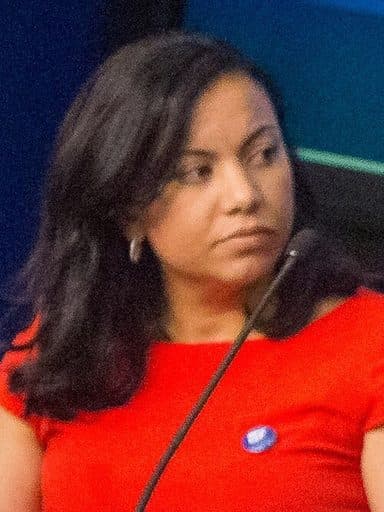




Democratic candidate for U.S. House in New Jersey
Democratic candidate for U.S. House in New Jersey
NJ-11 special Democratic nominee?
 $2.3M
$2.3M JAN 1, 2027
Candidate standings
Live market pricing for the leading candidates in this election.
Current prediction-market probability for the candidate, updated as market prices change.
1%chance to win
$2.3MJAN 1, 2027Key details about the candidate’s background, party, office sought and current campaign.

Current roleU.S. Army Reserve officer

PartyDemocratic

Political ideologyModerate Democrat

LocationNew Jersey

BackgroundU.S. Army Reserve officer

EducationPrinceton University (Class of 2013); Woodrow Wilson School of Public and International Affairs (major)

Notable personal detailsZachary “Zach” Beecher is a Democratic candidate for U.S. House in New Jersey’s 11th Congressional District (2026 cycle). He is a U.S. Army veteran and Army Reserve officer who served with the 82nd Airborne Division and deployed in support of Operation Inherent Resolve. He is a Princeton University alumnus and has worked in venture capital and investment roles.
Zach Beecher’s campaign emphasizes lowering costs for New Jersey families and criticizes tariffs as a tax on the middle class, but it does not present a clear, detailed stance on federal tax rates, tax increases on high incomes or corporate taxation. Public materials focus on reducing costs (health care, energy, housing, childcare) and opposing tariffs rather than specifying whether he supports raising or cutting specific taxes. Available campaign and news sources do not provide a comprehensive tax-rate or tax-reform plan for classification under the rubric.
Supports lowering healthcare costs for New Jersey families but does not provide clear, detailed policy commitments on universality, a public option, Medicare for All, or specific market-based reforms.
Supports protections for immigrant and refugee communities and calls for policy reform of immigration enforcement; criticizes aggressive tactics by ICE and highlights concerns about ICE funding. Positions favor immigration reform with a humanitarian frame while accepting targeted enforcement discussion rather than advocating abolition as his primary policy demand.
The candidate emphasizes lowering energy costs for New Jersey families and highlights innovation and economic development in energy-related industries, but provides no clear policy commitments on emissions targets, phasing out fossil fuels, or specific climate legislation. Public materials reference affordability and innovation rather than detailed climate or clean-energy policy. Overall, positions on climate mitigation versus support for fossil-fuel development are not specified clearly enough to classify as progressive or conservative.
Recent polling results and the candidate's current average in the race.
Aggregation source: FiftyPlusOne
Campaign finance totals from the latest available reporting period.
2026
LatestCycle 2026
Source: FEC
New updates coming soon
We're monitoring and will update when new data impacts the race.